When buying bolts, screws, nuts, or other fasteners, the finish can be just as important as the size and grade. Two common choices are zinc-plated fasteners and galvanized fasteners. Both use zinc to help protect steel from corrosion, but they are produced differently and provide very different levels of protection.
Understanding the difference between zinc-plated and galvanized fasteners can help contractors, maintenance departments, repair shops, and other bulk fastener buyers choose the right hardware for indoor, outdoor, and corrosion-prone applications.
What Are Zinc-Plated Fasteners?
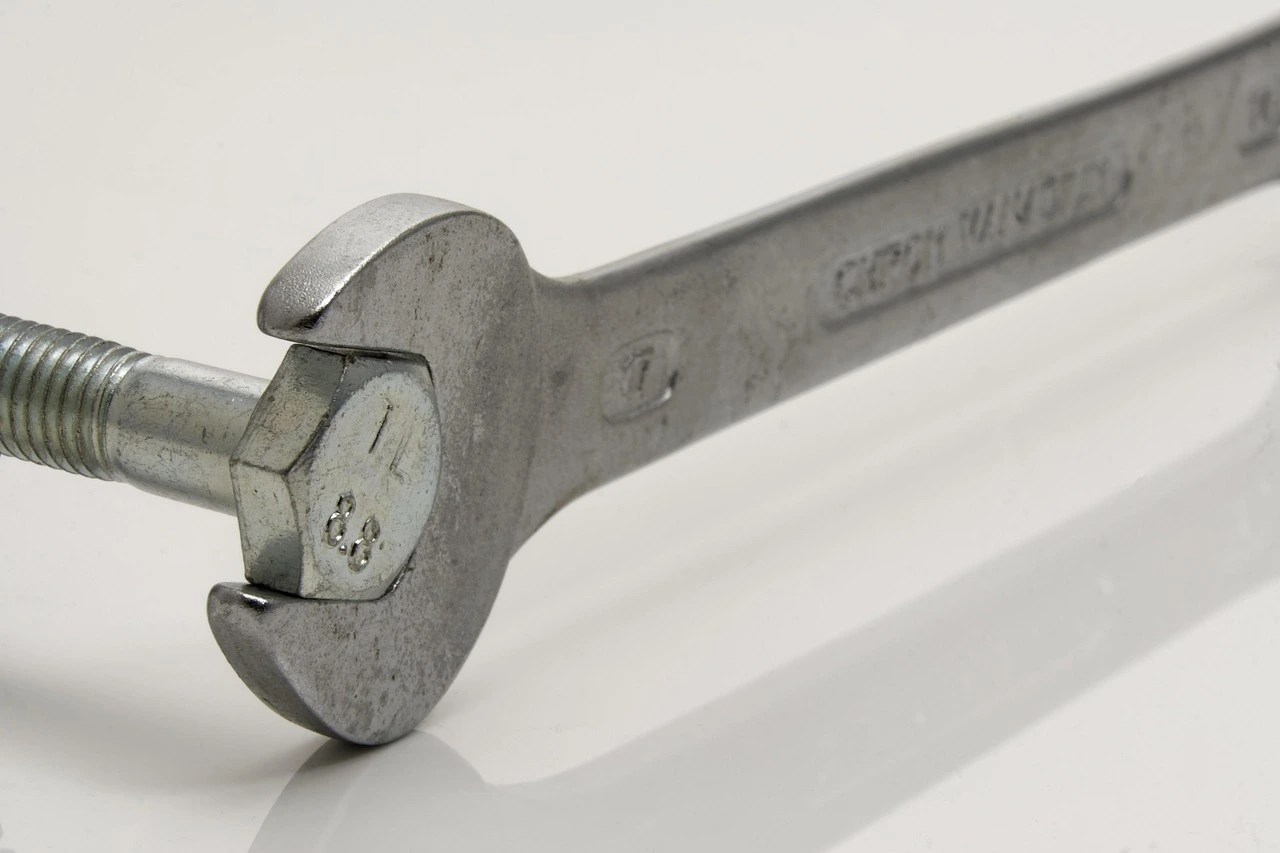
Zinc plating applies a relatively thin layer of zinc to a steel fastener through an electroplating process. The resulting coating is smooth, uniform, and often has the bright silver or slightly bluish appearance commonly seen on bolts, screws, nuts, and washers.
Zinc-plated fasteners provide economical corrosion protection and are widely used for:
- Indoor construction and repairs
- Machinery and equipment
- Automotive and shop applications
- Dry or relatively mild environments
- General-purpose fastening
Because the zinc coating is comparatively thin, zinc-plated bolts and screws are generally better suited to indoor or lightly exposed applications than prolonged outdoor exposure.
For buyers ordering fasteners in bulk, zinc plating is a practical choice when moderate corrosion resistance, consistent appearance, and economical pricing are priorities.
What Are Galvanized Fasteners?
Galvanized fasteners also use zinc for corrosion protection, but the term commonly refers to hot-dip galvanized fasteners.
During hot-dip galvanizing, steel hardware is immersed in molten zinc. This process creates a substantially thicker protective coating than ordinary electroplated zinc and forms zinc-iron alloy layers bonded to the underlying steel.
The heavier coating makes hot-dip galvanized bolts, nuts, washers, and other hardware particularly useful for:
- Outdoor construction
- Fencing and exterior structures
- Agricultural applications
- Moist or humid environments
- Treated lumber
- Applications exposed to weather
Where long-term exposure to rain, humidity, and changing weather is expected, hot-dip galvanized fasteners generally provide substantially greater corrosion protection than standard zinc-plated fasteners.
Zinc-Plated vs. Galvanized: Key Differences
The most important differences involve coating thickness, appearance, corrosion resistance, and intended use.
| Feature | Zinc-Plated Fasteners | Hot-Dip Galvanized Fasteners |
|---|---|---|
| Zinc coating | Relatively thin | Much thicker |
| Appearance | Smooth and often bright | Duller, rougher surface |
| Corrosion resistance | Moderate | Greater |
| Typical use | Indoor and mild environments | Outdoor and harsher environments |
| Thread fit | Standard dimensions | Coating thickness must be accommodated |
| Cost | Typically lower | Typically higher |
Both coatings protect steel because zinc acts sacrificially, corroding preferentially before the underlying steel. The amount and durability of that zinc coating are major reasons galvanized hardware can provide longer protection in demanding environments.
Can Zinc-Plated Fasteners Be Used Outdoors?
They can, but the environment matters.
A zinc-plated bolt used in a sheltered location with occasional moisture exposure may perform adequately. The same fastener exposed continuously to rain, salt, humidity, or other corrosive conditions can deteriorate much faster.
For permanent exterior installations or applications where corrosion could cause significant problems, a more corrosion-resistant fastener finish may be appropriate.
Fastener selection should therefore consider where the hardware will actually be used, not simply which finish costs less.
Watch for Thread Compatibility
The thicker coating on hot-dip galvanized fasteners can affect thread dimensions. Galvanized nuts used with galvanized bolts are manufactured or tapped to provide the clearance needed for the coating.
For that reason, buyers should avoid casually mixing fasteners and nuts with different finishes or specifications merely because the nominal diameter and thread count appear to match.
When purchasing bolts and nuts for the same assembly, matching compatible hardware helps ensure proper thread engagement and installation.
Which Fastener Finish Should You Choose?
For indoor projects, equipment, repairs, and general shop use, zinc-plated fasteners are often an economical and appropriate choice.
For outdoor construction, treated wood, frequent moisture exposure, and harsher environments, hot-dip galvanized hardware usually provides better long-term corrosion protection.
The correct choice ultimately depends on the application, expected environment, required service life, and applicable project specifications.
Buying Fasteners in Bulk
Contractors and shops purchasing bolts, screws, nuts, and washers in bulk should verify more than diameter and length before ordering. Grade, thread specification, material, finish, and carton quantity can all determine whether a fastener is appropriate for the job.
Understanding the difference between zinc-plated and galvanized fasteners makes it easier to compare products intelligently and avoid purchasing an entire carton of hardware that is poorly suited to its intended environment.
When ordering bulk fasteners, check the full product specifications and select the size, grade, and finish appropriate for the application rather than treating similarly sized fasteners as interchangeable.
